
Step 1 · Pre-Screening
Eligibility Checklist
Tick each item below to confirm you meet the core eligibility criteria before scheduling a session:
Check all five boxes above to confirm pre-screening eligibility.
Why Screening Matters
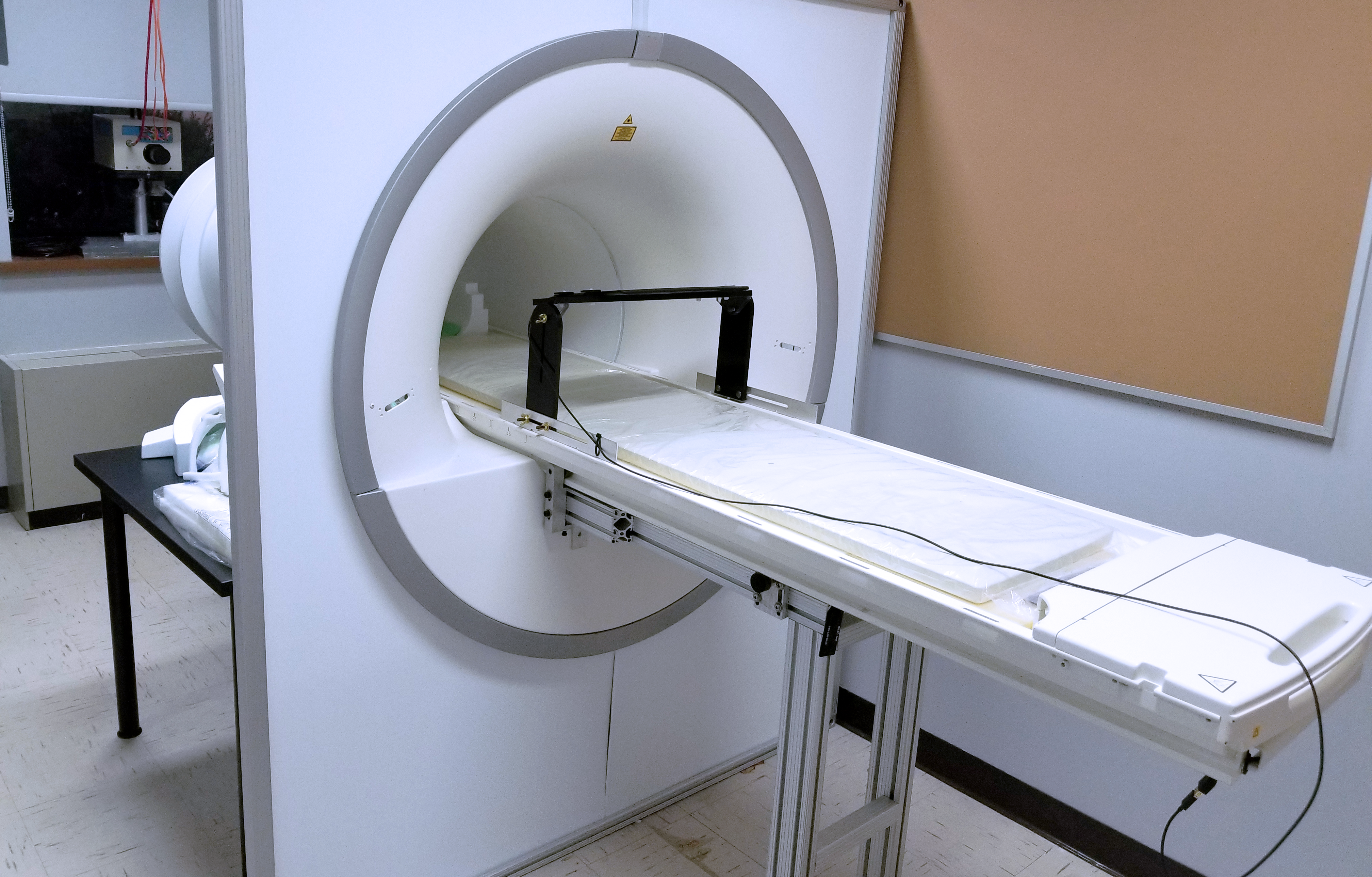
Hundreds of thousands of MRI scans are performed safely every year with no effect on biological tissue. Working around a strong magnetic field, however, requires constant vigilance so that no ferromagnetic objects enter the scanner room—and all participants complete a formal MRI safety screening checklist with a trained operator prior to entering.
If anything comes up and you cannot make your scheduled slot, please notify the experimenter as early as possible. Dedicated research scanner time is very expensive regardless of whether a participant arrives.
Step 2 · Before You Arrive
The Day of the Scan
Contacts Instead of Glasses
If you wear corrective lenses, please wear contact lenses rather than metal-framed glasses on scan day.
Go Easy on Fluids & Caffeine
Avoid excessive liquid right before scanning—especially caffeine (a diuretic). A two-hour fMRI session feels much longer with a full bladder!
Metal-Free Upper-Body Attire
Avoid shirts or hoodies with metal zippers near the head, and avoid underwire bras or metal strap hardware (sports bras work well, and scrubs/gowns are always available). Standard pants zippers/buttons are fine.
No Jewellery, Hairclips, or Mascara
Be prepared to remove all jewellery and hairclips. Please also skip mascara (which can contain metallic pigments), hair gel, and arriving with wet hair, as all three distort the magnetic signal.
Speak Up About Even Tiny Discomforts Before Entering
Once positioned in the bore, you'll keep that exact posture for up to a couple of hours—anything slightly awkward at the start becomes distracting later. We actively encourage participants to speak up about every small cushion or posture adjustment before the scan begins!
Step 3 · Inside the Scanner
What to Expect While in the Magnet
1. Acoustic Protection & Task Cues: During operation the scanner produces rhythmic beeping and pulsing sounds. You will wear protective headphones that both muffle scanner noise and deliver clear spoken cues during action trials (e.g., "grasp the object on the left").
2. Brief Vestibular Sensation: As the bed glides smoothly into the centre of the bore, moving through the magnetic field can briefly stimulate your vestibular system and feel mildly dizzy—this is completely normal and fades as soon as the bed stops.
3. Millimeter Stillness (Even Between Runs): Head movements of just a few millimeters create artifacts that cannot be corrected, and shifting your legs, yawning deeply, or adjusting your posture distorts the magnetic field—even between runs when the scanner is quiet. Stay relaxed so your head doesn't gradually drift, and swallow naturally whenever needed.
4. Short Runs & Built-In Rest Breaks: We keep individual functional runs short (typically under 8 minutes) so it's easy to stay focused, with 2–3 minute rest breaks between scans to relax your eyes.
5. Don't Stress Over Trial Mistakes: If you ever fumble an object or mis-perform a single trial, don't reach around or move your head to fix it—simply relax and get ready for the next trial, and let the experimenter know between runs if anything looked unusual on the display.
6. Emergency Squeeze Ball at All Times: You hold a soft squeeze ball throughout the entire session that alerts the control room immediately if you ever need to pause or exit the scanner right away.
Campus Location & Arrival
Queen's University MRI Facility Directions
The Queen's CNS MRI Facility is located at the south end of the Cancer Research Institute (CRI) building at 15 O'Kill Street (between Barrie St. and George St., parallel to Stuart St. and King St. W). Walk past the small parking lot to the stairwell entrance on the south side—look for the MRI Facility sign on the left wall and press the call button so the experimenter can buzz you in.
*Participant guide adapted with appreciation from Dr. Jody Culham's fMRI orientation resources.
MRI Control Room Phone
(613) 533-6000 x32811
Facility Street Address
Cancer Research Institute · 15 O'Kill Street, Kingston, ON