At MAPlab, we investigate the transformation of mental events into physical action. Our research maps the cognitive architecture that bridges the gap between perception and behavior—from the basic mechanics of movement to the complex neural circuits that drive goal-oriented decision-making.
Our Research Focus
We explore the intersection of three critical cognitive domains to understand how humans interact with their environment—combining functional neuroimaging, computational modelling, and precision behavioural kinematics.
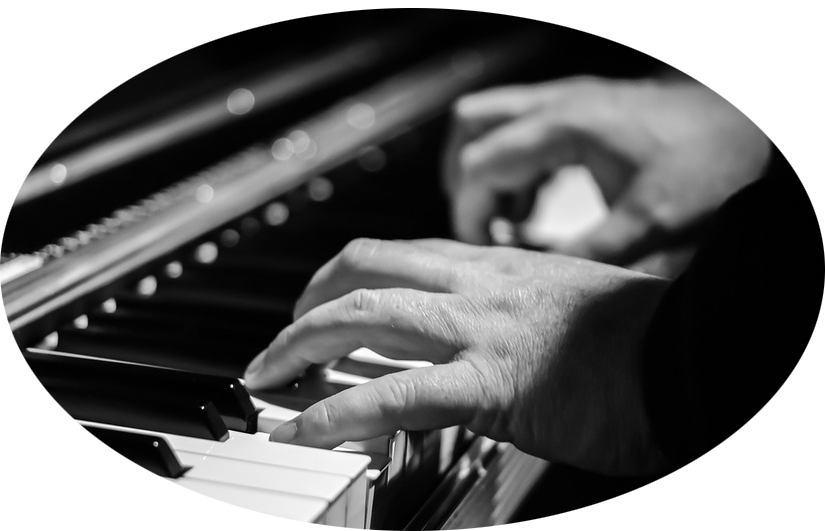
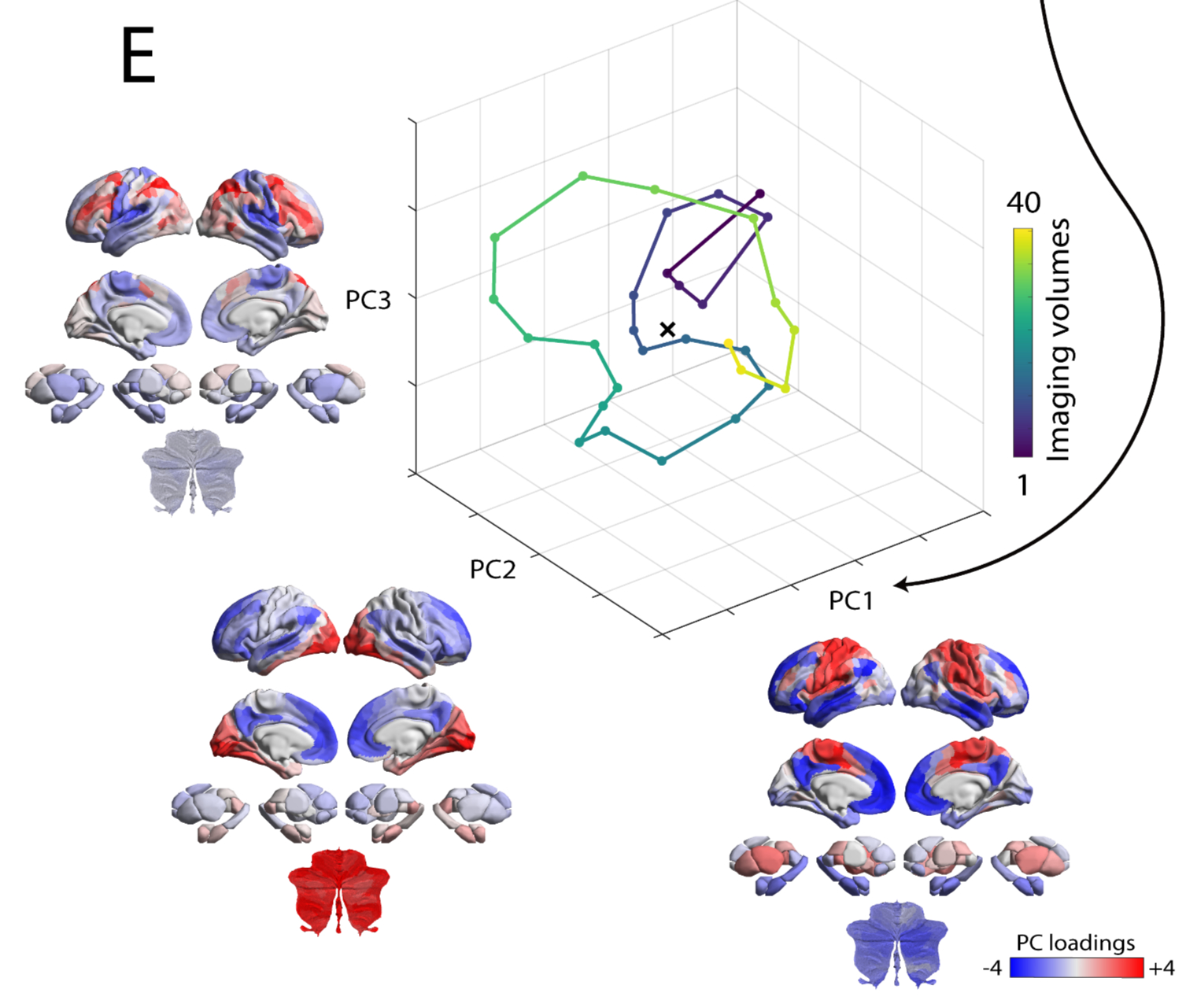
How past experiences and reinforcement shape future behaviour—tracking whole-brain manifold activity during skill acquisition, and how whole-brain activity patterns change across encoding and motor recall.
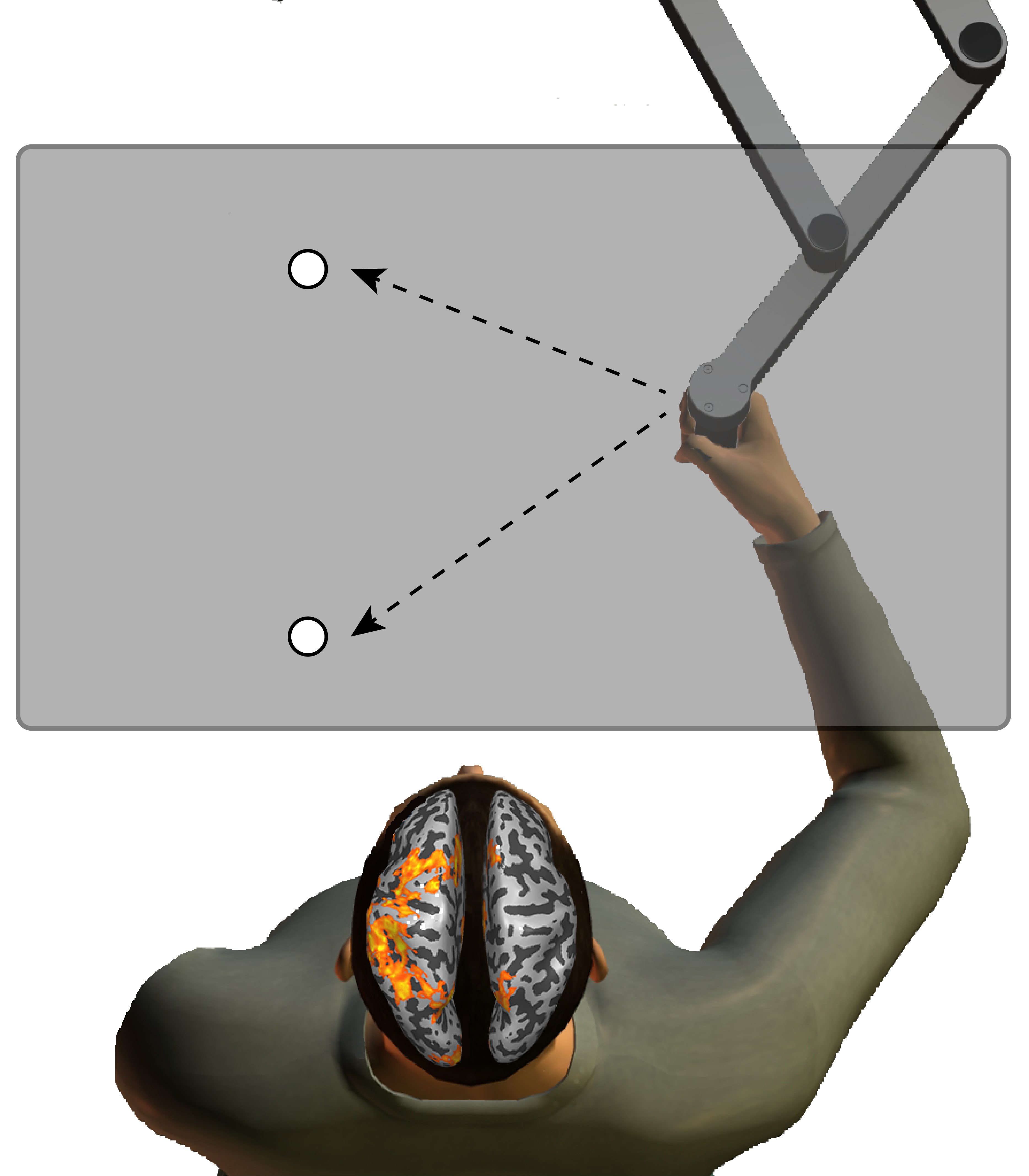
The neural computations that precede voluntary action—exploring how frontoparietal networks encode competing action options, and how visual search, obstacles, and time costs shape real-time decisions.
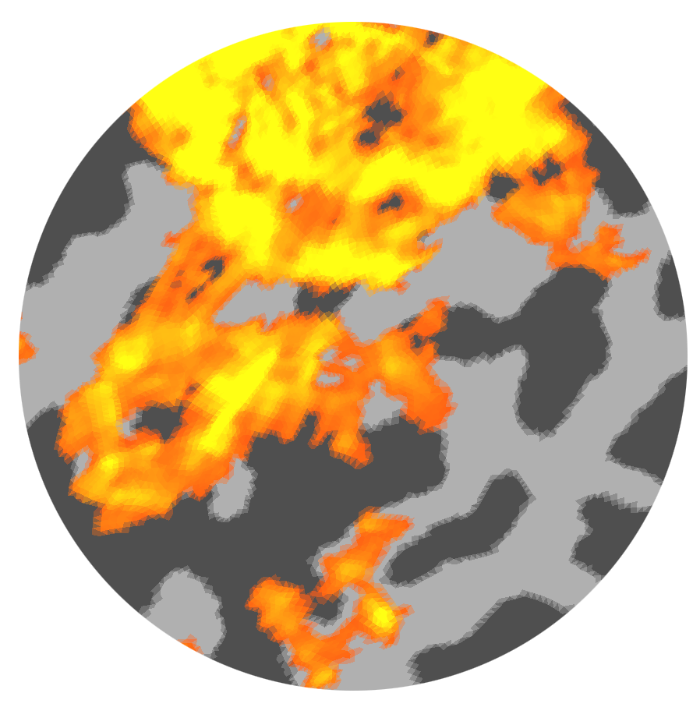
How sensory inputs are filtered and processed to guide movement—including top-down action-planning modulations in early visual, auditory, and somatosensory cortex, and cross-talk between ventral and dorsal pathways.
Functional and structural 3T MRI to map whole-brain functional networks, cortical manifolds, and anatomical connectivity.
Mathematical state-space and reinforcement learning frameworks that formalize skill acquisition and predict decision processes.
Robotic kinematics and eye-hand psychophysics establishing baselines for stroke recovery and neurological movement disorders.
Recent Lab Breakthroughs (2024–2026)
Filter recent discoveries across cortical manifolds, motor savings, reinforcement learning, and stroke recovery—complete with our lab’s open peer-review author responses.
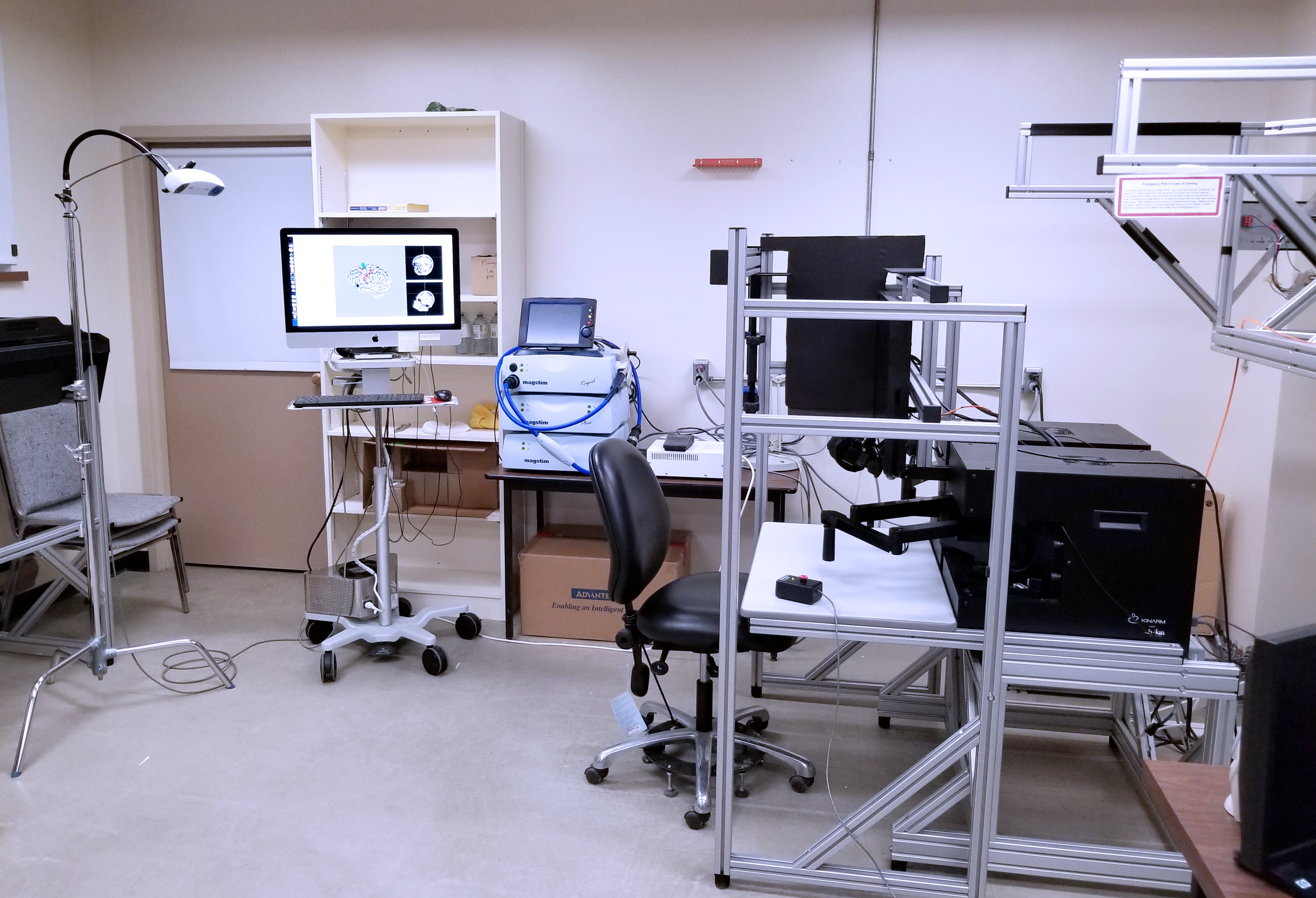
Experimental Facilities
People
These are the folks that make it happen.
Join MAPlab
The lab provides an energetic, innovative, and collaborative research environment with a strong commitment to the training and career development of its trainees. Interested candidates should email Dr. Jason Gallivan at gallivan@queensu.ca.
We are looking for self-motivated, creative, and independent graduate students to apply through the Department of Psychology, Department of Biomedical and Molecular Sciences, or the Centre for Neuroscience Studies at Queen's University. Students with a quantitative background (computer science, engineering, statistics, mathematics, physics, or economics) are especially encouraged to inquire.
Prospective postdoctoral fellows interested in human or translational neuroimaging, whole-brain cortical manifold modelling, and sensorimotor control are encouraged to reach out directly to Dr. Gallivan (gallivan@queensu.ca) with a CV and brief statement of research interests.
Queen's University undergraduates interested in completing an undergraduate honours thesis project in sensorimotor psychophysics, robotics, or neuroimaging analysis are invited to contact Dr. Gallivan (gallivan@queensu.ca) ahead of the departmental matching window.
We are always looking for enthusiastic undergraduate students to volunteer in the lab and gain hands-on experience in behavioural testing and brain imaging analysis. Please email gallivan@queensu.ca if you are interested in joining the group.
We recruit healthy volunteers for non-invasive 3T functional MRI and robotic action studies at the Queen's Centre for Neuroscience Studies (no radiation, X-rays, or drugs). Check eligibility in 15 seconds before signing up.
Core fMRI Pre-Screening Checklist
0 / 5 confirmedScan-Day Essentials & Location
Verified Key Finding